
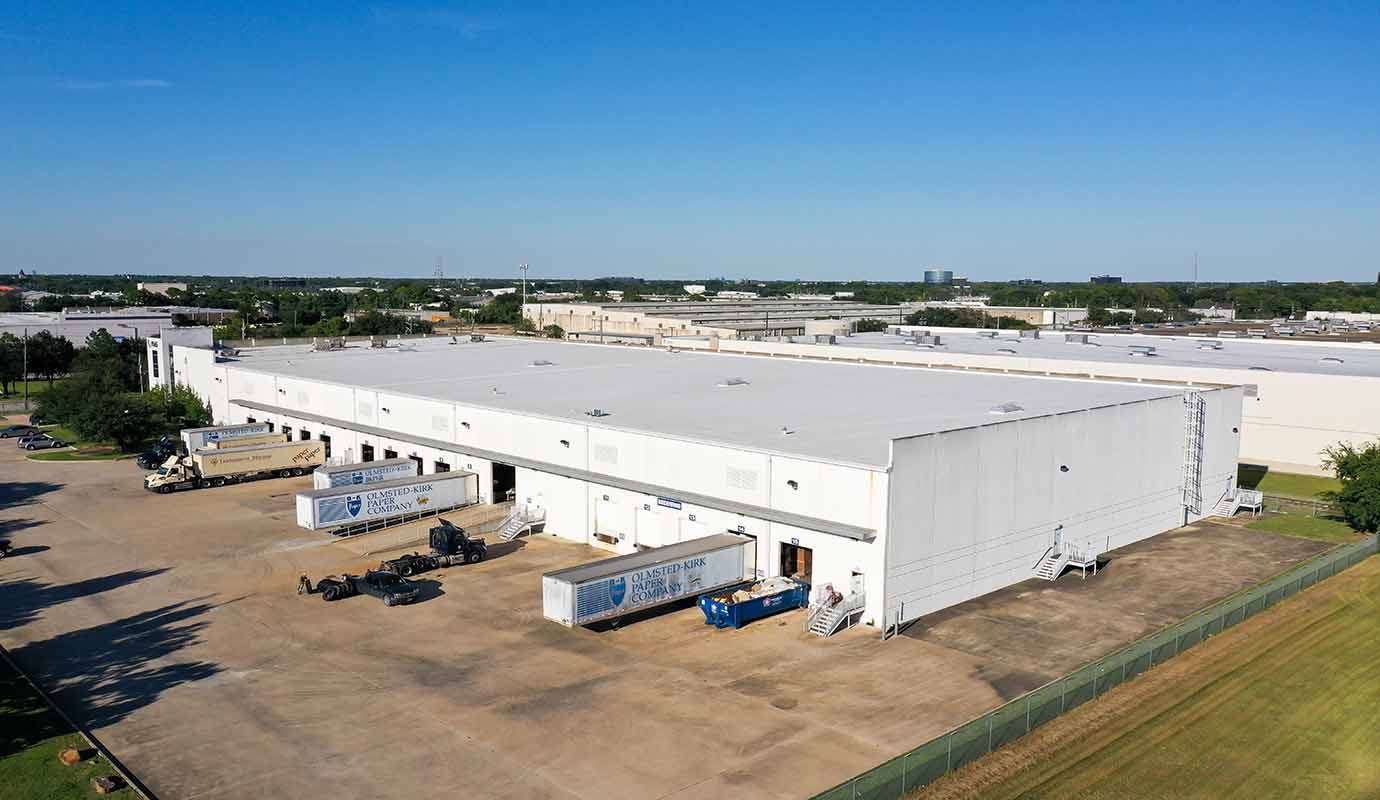
our company has extended its Central Valley industrial footprint into Bakersfield as logistics and agricultural distribution infrastructure in Kern County draws institutional attention from REITs seeking lower-cost basis positions in the broader Southern California supply chain. Asset managers overseeing industrial properties in the Bakersfield metro manage roof systems on buildings where agricultural product distribution, oil-field service operations, and regional warehousing create tenant mixes that demand consistent building performance without the headline rent premiums of the coastal markets.
A property manager overseeing ten Bakersfield commercial assets — distribution centers near the Panorama Drive interchange, agricultural service facilities on the east side, and retail properties along Rosedale Highway — cannot manage ten separate roofing vendor relationships without creating the kind of administrative friction that absorbs time that should be spent on lease management and tenant relationships. A preferred vendor under a master service agreement covering all Kern County properties converts roofing from a reactive maintenance function into a managed data program that feeds reserve reporting on schedule and provides emergency response on defined terms when the unexpected occurs.
REIT accounting for roofing on Bakersfield assets follows the standard CapEx-versus-OpEx framework. Full replacements are capitalized and depreciated over the system's useful life. Maintenance and emergency repairs are expensed in the current period. For triple-net industrial tenants, the lease assigns maintenance responsibility to occupants — but REIT asset managers conduct independent inspections because Bakersfield industrial buildings acquired in value-add strategies frequently have tenant maintenance histories that do not reflect the consistent upkeep institutional standards require. Documenting condition through the lease term gives asset managers the evidence base to enforce maintenance covenants and protect end-of-lease residual value.
Bakersfield represents a secondary industrial market where acquisition activity has been driven by the overflow of demand and pricing pressure from the Inland Empire and Los Angeles Basin. REITs acquiring Central Valley distribution and logistics assets are frequently purchasing buildings where private owners held capital expenditures to a minimum during periods of agricultural or energy sector softness. Roof systems on these assets often carry deferred maintenance that compresses seller operating costs but transfers liability to the acquirer. Pre-closing PCAs with detailed roofing assessments give acquisition teams accurate capital exposure data for purchase price negotiation.
Property condition assessments for Bakersfield acquisitions require a roofing contractor who can deliver a thorough written report within the timeline commercial closings impose. For Central Valley industrial assets, the PCA scope should address membrane condition across all roof sections, drainage system adequacy given agricultural dust accumulation patterns, penetration and flashing integrity, skylights and smoke hatches, and HVAC equipment curb conditions. Cost projections must be segmented as immediate needs, near-term CAPEX, and long-term replacement reserve in formats compatible with acquisition underwriting models.
- How does Central Valley climate affect roofing reserve planning for Bakersfield REIT assets?
- Extreme summer temperatures accelerate membrane degradation beyond generic useful life tables, agricultural dust creates chronic drainage maintenance requirements, and irregular intense rainfall creates ponding risk — all requiring reserve models calibrated to Bakersfield-specific conditions rather than national industry averages.
- Why does a REIT need independent roof inspections even on NNN-lease Bakersfield industrial properties?
- NNN tenants in value-add industrial acquisitions often have maintenance histories that do not reflect institutional standards, making independent inspections essential for documenting actual condition, enforcing maintenance covenants, and protecting residual values at lease maturity or disposition.
- How should a REIT structure CAPEX reserves for Bakersfield industrial assets acquired from private owners?
- First-year assessments should document actual membrane condition across every acquired asset to build a reserve model from verified data rather than general assumptions — because buildings from private ownership frequently carry deferred maintenance that compressed seller costs but transferred capital exposure to the acquirer.
- What does a PCA roof assessment need to include for a Bakersfield industrial acquisition?
- The assessment should cover membrane condition, drainage adequacy with attention to dust accumulation patterns, all penetration and flashing conditions, and cost projections segmented as immediate repair, near-term capital, and replacement reserve — formatted for direct input into acquisition underwriting.
- How does a master service agreement reduce operational risk for a Bakersfield REIT portfolio?
- An MSA provides defined emergency response terms, consistent inspection scheduling, and standardized reporting across all portfolio properties — eliminating the vendor sourcing uncertainty that creates dangerous delays when a roof failure occurs during Bakersfield's infrequent but concentrated rainfall events.